
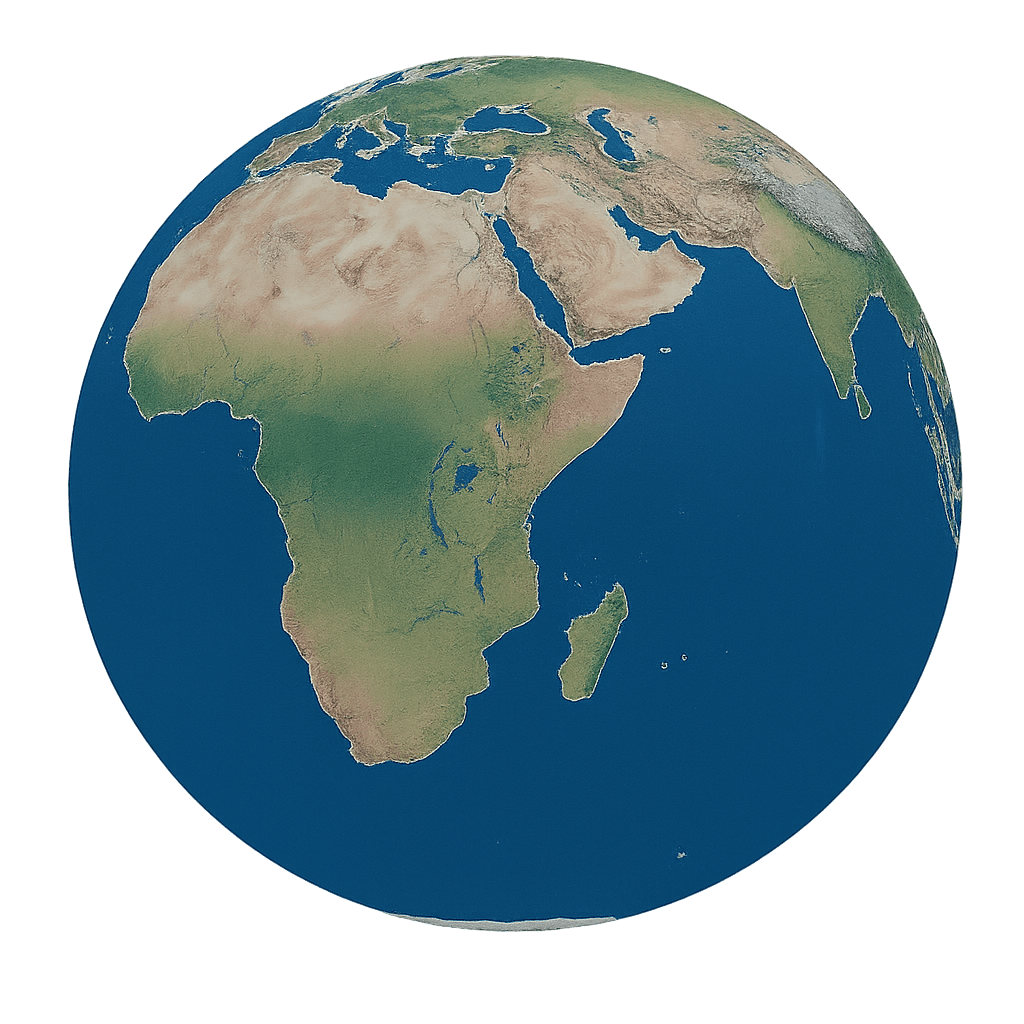
Acute Malnutrition Surge: UNICEF says nearly half of Yemen’s children under five are affected by acute malnutrition, with stunting at about 49% and a “vicious cycle” where conflict worsens hunger and hunger makes kids more vulnerable. Humanitarian Funding: The UK announced a £10 million emergency package for Yemen, targeting food, healthcare, nutrition support, and urgent vaccination for displaced and vulnerable groups. Displacement Crisis: UNHCR warns displacement is worsening, with more than 128,000 newly displaced since early September and thousands reaching Djibouti, where women and children make up about 60% of arrivals. Health System Under Strain: Reports from Aden describe hospitals overwhelmed and feeding centers struggling as delays in care leave children in “acute crisis,” while some facilities turn away patients to handle trauma. UNICEF Child-Focused Warning: UNICEF also highlights that around 1.3 million pregnant and breastfeeding women and girls are affected, urging rapid expansion of maternal and child nutrition programs.
AGP Executive Report
Your go-to archive of top headlines, summarized for quick and easy reading.
Note: AI summary from news headlines; neutral sources weighted more to help reduce bias in the result. Feedback is welcome. Please let us know if you have any comments or suggestions about the AGP Executive Report.
Child Nutrition Crisis: UNICEF warns acute malnutrition is rising fast in Yemen as renewed fighting disrupts healthcare access, with 71,000 children among nearly 130,000 displaced in three weeks and mobile teams finding over a quarter of screened children acutely malnourished (about 200 severe). Displacement & Health Access: UN-linked reporting says hunger and displacement are worsening child vulnerability, while conflict continues to close or suspend services and make treatment harder to reach. Eye Care Outreach: In Hodeida, the 28th free eye medical camp in Al-Zuhrah district screened 1,000 cases over five days, performing 290 cataract surgeries with lens implants and providing free medicines. Community Health & Food Security: Sana’a’s “Good Land” productive families exhibition highlighted local food production—claimed to be higher in nutritional quality and lower in price than imports—framing it as support for household self-sufficiency during ongoing instability. Humanitarian Pressure: UNHCR’s chief Barham Salih urged the Security Council to prioritize political solutions over endless aid, warning displacement is outpacing durable solutions.
Child Nutrition Crisis: UNICEF says acute malnutrition is rising sharply in Yemen as fighting disrupts healthcare and treatment centers, with mobile teams finding more than one in four children acutely malnourished and around 200 cases severe. Displacement & Hunger: Nearly 71,000 children were displaced in three weeks as conflict drives hunger; UNICEF also warns 2.2 million children under five could face acute malnutrition in 2026. Health System Strain: AP reports hospitals overwhelmed by renewed civil war, leaving children like a 7-year-old with delayed care until therapeutic feeding centers could take them. Human Rights Pressure: UN Human Rights Chief Volker Türk says intensifying Yemen violence is worsening civilian suffering and displacement, with attacks documented against sites hosting internally displaced people. Regional Security: The UN Security Council condemned Houthi attacks on Saudi Arabia, including impacts on civilian and energy infrastructure.
Hospital Strain in Yemen: The AP reports Yemen’s return to civil war is overwhelming hospitals, with displaced children like 7-year-old Tarek al-Salami reaching Aden after days—only to find no beds, forcing care into therapeutic feeding centers and deepening malnutrition and diarrhea risks. Humanitarian Toll & Civilian Safety: UN human rights chief Volker Türk says at least 125 civilians have been killed or wounded since early August as fighting intensifies, with about 125,000 displaced and civilian infrastructure further damaged. Frontline Fighting in Taiz/Aden Corridor: Yemen government forces say they repelled Houthi attacks aimed at a key road linking Aden, Lahj and Taiz, while Saudi air defenses intercepted six Houthi ballistic missiles targeting Taif and Yanbu. Medical Access via Camps: In Hodeida, an Al-Khokha hospital eye camp delivered 124 surgeries (mostly cataracts) for 480 impoverished cases, supported by the Zakat Authority. Regional Health Context: A CDC polio travel advisory update warns Americans to take enhanced precautions in 29 countries where poliovirus has been detected in the past 13 months.

Humanitarian Crisis in Yemen: UN agencies report displacement surging as fighting between Saudi-backed forces and Iran-backed Houthis intensifies, with over 130,000 people fleeing since early September and Taiz driving more than 60% of new arrivals; aid groups warn overcrowded communities are running short on shelter, food, healthcare, and basic services. Attacks on Health & Civilians: UN rights chief Volker Türk says displacement camps and health centres have been hit, documenting at least 125 civilians killed or injured since August, including 15 children, and three attacks on sites hosting internally displaced people. Frontline Developments (Taiz/Red Sea): Yemen government forces say they repelled Houthi attacks along the Aden–Lahj–Taiz route, while the Houthis’ push along the Red Sea coast—including pressure around Bab al-Mandeb—is worsening access and security for medical and humanitarian operations. Regional Spillover: Djibouti is described as overwhelmed by new Yemeni refugee arrivals, as the Red Sea crisis threatens both health services and survival needs.
Cancer Care Expansion: Sa’ada’s Republican Hospital inaugurated an expanded oncology unit, adding chemotherapy capacity (nine beds, seventeen chairs) and a dedicated women’s section, citing rising cancer needs amid the war. Health Under Fire: Yemen’s Health Ministry reported six civilians killed or injured in Saudi airstrikes across Hodeidah, including a child killed in Zabid and injuries in Beit Al-Faqih. Humanitarian Strain & Displacement: UNHCR warned Yemen’s renewed conflict is worsening displacement and humanitarian needs, with fighting since early September driving over 130,000 people to flee and thousands seeking safety in Djibouti and beyond. Aid Worker Safety: Save the Children received a regulatory warning over governance and misconduct failures in its Yemen office, including weak safeguarding after the 2023 death of its safety director. Food & Nutrition Steps: Yemen discussed preparations to raise white flour extraction rates from 80% to 86% to improve bread nutrition and protect consumer health. Community Health & Youth Sports: Sana’a hosted a university swimming championship to promote youth fitness and resilience alongside national celebrations.
Health & Safety in Conflict: Yemen’s Health Ministry says Saudi airstrikes hit Hodeidah, killing or injuring six civilians, including a child, and damaging homes—again raising alarms about attacks on civilians and civilian sites. Humanitarian Crisis & Displacement: UNHCR warns Yemen’s renewed fighting is worsening displacement and the wider humanitarian emergency, with more than 130,000 people fleeing since early September and Taiz driving most of the movement. Maternal Health Under Strain: The Commission of Detainees’ Affairs reports a pregnant detainee, Baraa Abu Khadija, has been held since late August and is suffering harsh detention conditions and swelling after a brutal arrest process. Cancer Care Expansion: Sa’ada’s Republican Hospital oncology unit received an expanded chemotherapy wing, adding beds and chairs for treatment as officials link rising cancer needs to the war environment. Food & Nutrition Measures: Yemen’s Economy Ministry discussed the second phase of increasing white flour extraction rates (from 80% to 86% from early October), aiming to improve bread nutrition and protect consumer health. Public Health Through Standards: Hajjah’s Standards Authority inspected cement, block, water, and ice-mold factories to check compliance and protect consumer health and safety.
Conflict & Health Impacts in Yemen: A woman was killed and her husband seriously wounded after Saudi “enemy mercenaries” shelled civilian homes in Taiz’s Al-Haljoum area, Salh District, underscoring ongoing attacks on populated areas. Child Casualties: Save the Children reports that more than one in five of recent Yemen casualties are children: at least 19 killed and 49 injured between 1 August and 9 September, with over 80% of child harm linked to airstrikes, shelling, or drones; many children are now being referred for lifesaving care. Displacement & Disease Risk: As fighting drives families from their homes, Save the Children warns that conflict, displacement, and surges in measles, acute watery diarrhea, and cholera—plus heavy rains and flash floods—could trigger a catastrophic humanitarian health crisis. Regional Pressure on Yemen’s Frontlines: Reports also describe continued Saudi airstrikes across Taiz, Al-Jawf, and Marib, while UN warnings highlight displacement rising fast, with health systems under strain.
Yemen Displacement & Health Emergency: UN agencies warn that renewed fighting between Houthis and Saudi-backed forces could push Yemen’s internal displacement from about 130,000 to more than 230,000, with Taiz described as the epicenter; aid groups report shortages of shelter, water, food, and medicines, while attacks have disrupted ambulances and forced health facilities to close or scale down services. Civilian Toll in Red Sea Fighting: Reports say clashes over strategic Red Sea heights have killed dozens in recent days, including strikes on Mocha that killed civilians (including children) and attacks on detention sites in Al Jawf. Women and Maternal Care Under Strain: The UN flags that nearly 3,000 women in Yemen face risk of giving birth without medical care as violence limits access to clinics and hospitals. Registered Displacement by Province: Yemen’s Executive Unit for Displaced Persons Camps reports 158,109 registered internally displaced people across eight provinces, with Taiz and Lahj hosting the largest shares and urgent needs including healthcare, hygiene supplies, and emergency shelter. UK Support for Saudi Operations: The UK confirmed it will provide RAF Voyager air-to-air refueling to support Saudi defensive operations amid renewed Houthi attacks, raising further pressure on Yemen’s already collapsing health system.
Maternal Health Under Fire: UNFPA warns nearly 2,700 pregnant women in Yemen’s displaced communities face childbirth without skilled medical care as fighting disrupts Taiz and western-coast services; emergency obstetric and newborn care needs are urgent, with roads, shelters, and clinics overwhelmed. Humanitarian Response Scaling Up: UN agencies say displacement is surging—over 120,000 people displaced since early September—while OCHA reports damaged health facilities, attacked ambulances, and shortages of blood, anesthesia, and surgical supplies; WFP is ramping up food aid for overstretched camps. Frontline Violence and Civilian Harm: Reports from Mocha and Taiz/Lahj describe airstrikes and ongoing clashes killing civilians, including children, and worsening access to care. Health System Strain: WHO says casualties are rising and Yemen’s health crisis is worsening, with facilities hit or forced to close. Aid Access and Displacement Pressure: IOM highlights tens of thousands fleeing toward Djibouti, where resources are limited, increasing risks for women and children. Regional Security Spillover: UN and officials warn escalation around Yemen and cross-border attacks are driving the crisis deeper, threatening stability and health services.
Humanitarian Emergency: Yemen’s Executive Unit for Displaced Camps says fighting since early September has displaced 158,109 people (23,550 families), with urgent needs for shelter, food, water, sanitation, healthcare, protection, and cash. Maternal Health Under Strain: UNFPA reports about 2,100 pregnant women among the displaced; 400+ need emergency obstetric or newborn care, as aid access is blocked by danger and damaged roads. Health System Pressure: WHO says 680 people were killed or injured in Yemen over one week (164 deaths, 516 injuries), bringing casualties since Aug. 6 to 3,672 (674 deaths, 2,998 injuries). Refugees in Djibouti: UNICEF describes pregnant Yemeni refugees arriving by boat in Djibouti, where some give birth and families face impossible choices about hospital care for children. Conflict Escalation: UN and IOM figures point to displacement surging beyond 125,000 since the month began, as renewed clashes intensify across Taiz, Lahj, and other provinces.
Humanitarian Fallout: UNHCR says renewed Yemen fighting has displaced more than 125,000 people in weeks, with many women, children, and older people needing urgent medical care, shelter, food, and clean water. Displacement & Health Services: UNICEF warns the crisis is worsening for children, with health facilities and schools disrupted or closed, raising risks of malnutrition and disease. Airstrikes on Civilian Infrastructure: Yemen’s Houthi-linked Health Ministry reports seven civilians killed or injured in Saudi-led strikes on telecommunications towers in Al-Jawf, condemning attacks on civilian infrastructure as a war crime. Regional Tensions & Shipping: Houthi officials say they have told the US they will not attack US vessels in the Red Sea, while warning other countries against joining renewed Yemen fighting. Local Health Events: Yemen’s capital health authorities marked the September 21 Revolution with events highlighting healthcare support for detainees and resilience of the health sector amid conflict.
Displacement & child health: Yemen’s renewed fighting is driving a fast-growing humanitarian and health emergency. UNICEF says renewed hostilities are worsening the suffering of more than 12 million children, with over 57,000 children among 104,000+ people displaced in two weeks; it also reports health facilities disrupted and schools suspended, including reports of child deaths and injuries. Camp management update: Yemen’s Executive Unit for Displaced Persons Camps says 17,852 families (122,297 people) were displaced between Sept. 1–15 across eight provinces, with Taiz and Lahj hardest hit, and calls for urgent shelter, food, clean water, healthcare, sanitation, and protection. Health system strain: WHO warnings highlight a health crisis worsening as fighting pushes the system toward collapse. Aid funding pressure: UN agencies report urgent needs and funding gaps, including WFP seeking $274 million to sustain Yemen aid operations, while OCHA says 10.83 million of the most vulnerable received assistance in early 2026 but coverage remains below planned levels due to shortages. Regional security spillover: Saudi Arabia confirmed a Houthi ballistic missile attempt on Riyadh and reported disruptions near the airport, underscoring how Yemen-linked escalation can further disrupt regional access and services.
Humanitarian Health Crisis in Yemen: UN agencies report Yemen’s health system is under severe strain as renewed clashes displace more than 100,000 people in two weeks, with WHO warning the crisis is worsening and raising risks of cholera, measles, dengue, diphtheria, malnutrition and injuries. Aid Funding Gap: OCHA says 10.83 million vulnerable Yemenis received emergency help in the first seven months of 2026, but planned reach fell short due to critical funding shortages. Displacement and Care Needs: IOM warns displaced families urgently need food, shelter, health services, and water and sanitation as stocks run low. Regional Security Spillover: Saudi Arabia confirmed a Houthi ballistic missile attempt targeting Riyadh and reported attacks on civilian infrastructure in Red Sea and other areas—raising fears of further escalation that can disrupt access to care and supplies. Local Health Support: ICRC delivered 22 tonnes of medical supplies to front-line hospitals, aiming to keep essential services running amid fighting.
Humanitarian Aid Scale-Up: UN agencies report more than 10.8 million vulnerable Yemenis reached with life-saving help in early 2026, but funding gaps are holding back planned coverage, with healthcare and nutrition among the hardest-hit needs. Displacement & Health System Strain: Fresh clashes on Yemen’s west coast have displaced 112,000+ people in two weeks, with nearly 3,000 fleeing by sea to Djibouti; UN and WHO warnings highlight rising risks of cholera, measles, dengue, malnutrition, and a health system nearing collapse. Urgent Food Funding: WFP is seeking $274 million to sustain food, nutrition, school feeding, and logistics as fighting displaces families and disrupts markets. Medical Support on the Ground: A free eye surgery camp is set to launch in Al-Hudaydah’s Al-Zahra district, aiming for 350 surgeries plus exams and medicines. Protection & Access Concerns: Yemen’s Human Rights Ministry accuses the Houthis of attacking and looting Saudi-funded humanitarian and medical facilities, threatening access to clinics, food, medicine, and water/shelter projects.
Humanitarian Crisis: WHO says Yemen’s health crisis is worsening as shortages of staff, equipment, supplies and funding strain a system already battered by war; it flags cholera/acute watery diarrhea, measles, dengue, diphtheria, malnutrition and war injuries, with severe acute malnutrition affecting over 30,000 children and some therapeutic feeding centers running beyond capacity. Displacement & Access: UNICEF warns violence has forced more than 57,000 children from their homes in two weeks, disrupting care and schooling; UN agencies also report at least 112,000 displaced inside Yemen and nearly 3,000 fleeing by sea to Djibouti, where arrivals are overwhelming health and education services. Food & Nutrition: WFP is seeking $274 million in urgent funding to keep emergency food, nutrition and school feeding running, with plans to support up to 1.5 million people if fighting escalates. Local Health Response: A free eye surgery medical camp is set to launch in Al-Zahra District, Al-Hudaydah, aiming for 350 surgeries plus exams and medication. Aid Attacks Alleged: Yemen’s Human Rights Ministry accuses Houthis of attacking and looting Saudi-funded humanitarian and medical facilities, including clinics and water-shelter projects, threatening basic services for displaced civilians.
Displacement & Refugee Health: UNHCR says nearly 3,000 people have fled Yemen by sea to Djibouti in under a week, with women and children among the majority; Djibouti is preparing for up to 10,000 arrivals as boats reach landing points like Obock and Godoria in precarious conditions. Inside Yemen Humanitarian Strain: The UN migration agency reports 112,000 displaced inside Yemen in two weeks as fighting intensifies along the west coast and around Bab al-Mandeb, with overcrowded arrivals bringing very limited food and water. Health System Breakdown: WHO warns only 60% of assessed health facilities are fully functioning, just 6% can provide full trauma care, while measles and diphtheria cases rise alongside severe acute malnutrition affecting tens of thousands of children. Frontline Violence & Civilian Risk: Reports from Taiz and Hodeidah describe drone interceptions, shelling that killed children, and allegations of looting and damage to clinics and relief sites, threatening basic services for displaced communities. How to Help: UN agencies urge immediate support as the crisis worsens “by the hour.”
WHO Warning: WHO chief Tedros Ghebreyesus says Yemen’s health system is nearing collapse as nearly 20 million people need aid, with cholera, measles, polio, dengue and malnutrition risks rising amid attacks on facilities, fuel shortages, and disrupted referrals. Humanitarian Scaling Up: WFP is ramping up food support after renewed western-coast fighting displaced about 125,000 people in days; it has reached 45,000 and is preparing for 1.5 million more, warning critically low funding could slow the response. Child-Focused Crisis: UNICEF reports tens of thousands of children displaced in two weeks, with renewed fighting worsening conditions for already vulnerable families. Frontline Violence & Civilian Harm: UN-linked reporting highlights rising civilian casualties and access barriers, while clashes near Bab al-Mandab have killed dozens in 24 hours, underscoring how quickly health and protection needs can spike. Cross-Border Drone Fallout: Saudi authorities say debris from an intercepted Houthi drone killed one person and injured two in Taif, a reminder that even “interceptions” can create secondary injuries.
Humanitarian Health Alarm: WHO warns nearly 20 million people in Yemen need humanitarian help, as conflict, displacement, and disease outbreaks strain a healthcare system short on funding, medicines, staff, and safe water. Child-Focused Crisis: UNICEF says renewed fighting has displaced 57,000+ children in two weeks, with reports of children killed, injured, or missing, and disruptions to 26 UNICEF-supported health facilities and 243 schools affecting 137,000+ students. Food Security & Nutrition: WFP is scaling up in response to renewed western-coast fighting that displaced about 125,000 people in days; it has fed 45,000 so far and is preparing for up to 1.5 million more if the situation worsens, warning funding gaps could slow delivery. Displacement Pressure on Services: Families are heading toward Aden and other areas as front lines shift, while access to food and basic services remains severely restricted. Rights & Safety for Media Workers: Women Journalists Without Chains condemns the Houthi detention of journalist Sadiq Shili and reports dozens of journalists fleeing Mokha for Aden amid raids and abuses. Cross-Border Health Risks: Saudi Civil Defense reports a Houthi drone interception over Taif led to falling debris that killed one Yemeni resident and injured two others, highlighting how even intercepted attacks can cause civilian harm.
Yemen Displacement & Health Strain: Renewed fighting along Yemen’s west coast has displaced more than 100,000 people, with families arriving in makeshift shelters lacking food, clean water, and healthcare—pushing an already fragile system further toward collapse. UNICEF Child Impact: UNICEF reports at least nine children killed in Yemen in the last two weeks, with over 104,000 people displaced, including 57,000 children, as hostilities disrupt access to health care and education. UNHCR Cross-Border Exodus: UNHCR says over 2,400 people crossed from Yemen to Djibouti in recent days, mostly women, children, and elderly, while insecurity and damaged infrastructure hamper aid delivery. Humanitarian Response in Djibouti: Qatar Charity announced an initial $1 million emergency package for Yemeni refugees, including shelter, primary healthcare, safe drinking water, sanitation and hygiene support, and nutrition for mothers and children. Local Rights & Legal Support: Yemen’s National Human Rights Authority and the Yemeni Academy signed an MoU to set up a legal clinic for children, offering consultations and free legal representation and training for law students. Media Under Pressure: A Yemeni media freedoms group says 117 journalists and media workers were displaced from Mokha and nearby areas amid escalation, with reports of raids and looting and the death of a TV staffer after health deteriorated during displacement.
Sign up for:
Yemen Health Report
The daily local news briefing you can trust. Every day. Subscribe now.
Check Your Email!
We sent a one-time activation link to: .
Confirm it's you by clicking the email link.
If the email is not in your inbox, check spam or try again.
Welcome back!
is already signed up. Check your inbox for updates.